Seamless Gutter Installation Tips for Mount Dora Homes Dealing With Humidity and Storms
Mount Dora homeowners do not need a weather app to know when the air is loaded with moisture. You can feel it before breakfast. By midafternoon, clouds start stacking up, the breeze shifts, and a routine summer day can turn into a hard rain in a hurry. In this part of Florida, gutters are not a cosmetic upgrade. They are part of how a house handles a wet climate, repeated thunderstorms, and the constant cycle of dampness followed by heat.

That is why seamless gutters make so much sense here. They are built to fit the house rather than pieced together from short factory sections, which means fewer joints and fewer places where leaks can start. For homes in Mount Dora, where humidity hangs around and stormwater can arrive fast, that small design difference matters more than many people realize.
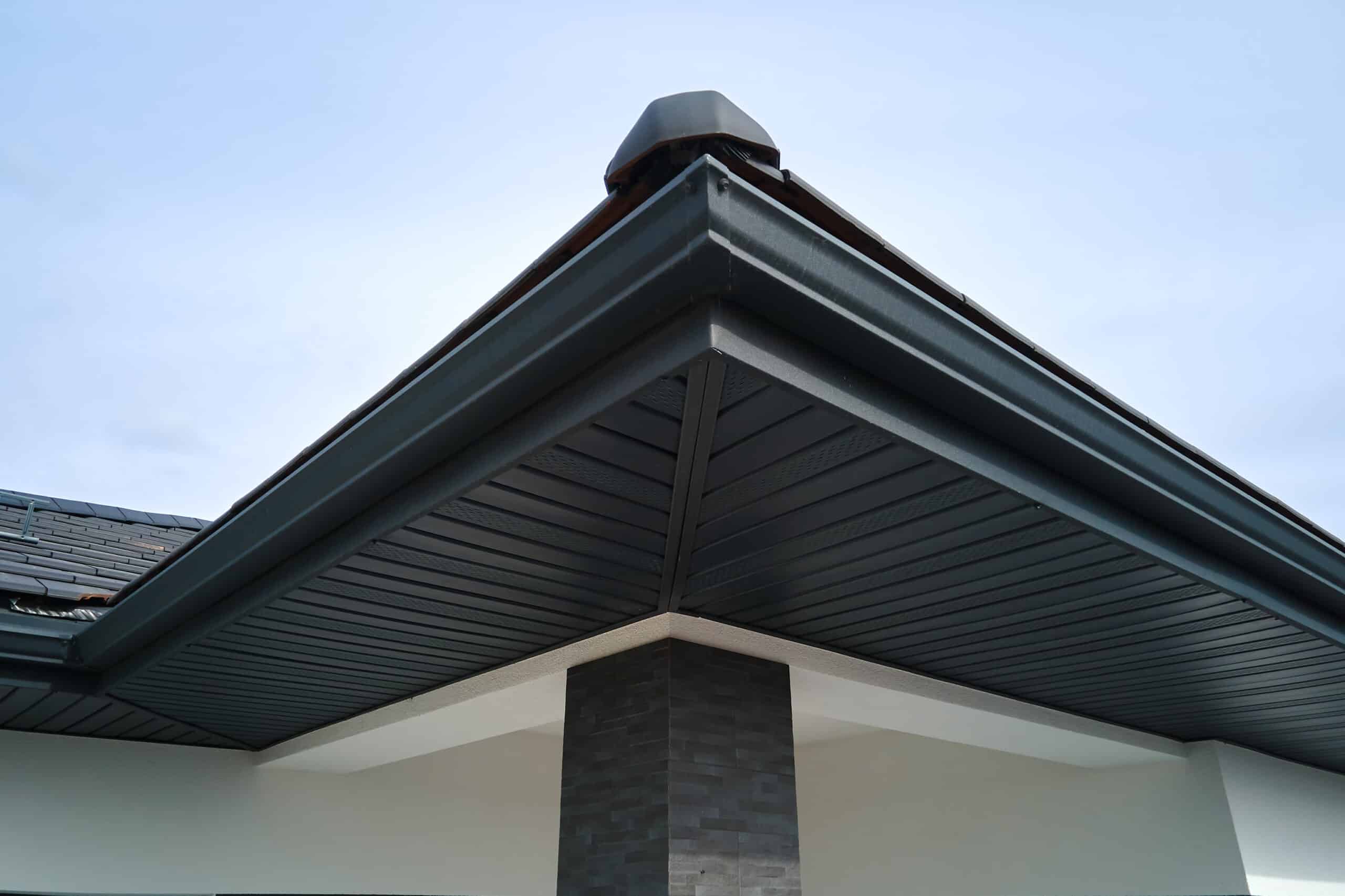
I have seen homeowners focus on shingle color, windows, and landscaping, then leave gutters as an afterthought. Usually that changes after the first stretch of heavy summer rain, when water starts overshooting clogged channels, washing mulch out of beds, or pouring near a foundation wall. A proper seamless gutter installation is less about adding metal to the roofline and more about managing the path water takes once it leaves the roof.
Why Mount Dora homes need a gutter system that is built for Florida weather
Central and North Florida deal with a recurring warm season pattern: high humidity, frequent thunderstorms, tropical moisture, and periods of heavy rainfall. That pattern is not rare or occasional. It is baked into the region’s weather. Homes in and around Mount Dora sit in a climate where rain can be intense, especially in the warmer months, and where saturated conditions can put every drainage detail to the test.
A gutter system in this setting has two jobs. First, it has to catch roof runoff efficiently during hard rain. Second, it has to keep doing that job after weeks of moisture, leaf drop, and windblown debris. Those two demands are what make installation quality so important. A gutter can look straight from the street and still fail in practice if the pitch is off, if downspouts are undersized for the roof area, or if placement does not account for how water actually sheets off the roof during a storm.
Humidity adds another layer. In a dry climate, a minor issue may sit quietly for months. In Florida, moisture tends to expose mistakes quickly. Standing water in a poorly sloped gutter does not just sit there looking ugly. It can hold debris, add unnecessary weight, and create the sort of damp conditions that make maintenance more frequent than it should be.
What “seamless” really changes
People often hear “seamless” and assume it simply means cleaner curb appeal. It does look neater, but the functional benefit is the bigger story. Traditional sectional gutters have seams at regular intervals. Every seam is a potential weak point. Over time, those joints can collect debris or become places where water finds a way out.
Seamless gutters reduce those interruptions across the run. There are still connections at corners and downspouts, of course, but there are far fewer breaks overall. In a region where thunderstorms can dump a lot of water in a short span, reducing leak-prone joints is a practical upgrade.
That is one reason so many homeowners searching for seamless gutter installation Leesburg FL or seamless gutters Gainesville FL end up asking the same question: does seamless really perform better in Florida rain? In the right installation, yes. Not because the material is magical, but because the design reduces common failure points and allows for a more customized fit to the house.
Fit matters more than people expect. Rooflines are not perfectly forgiving. Fascia boards are not always dead straight. Drainage paths around the property vary from one side of the house to the other. A seamless system fabricated for the home gives the installer a better chance to match the layout instead of forcing the house to accept pre-cut sections.
The tree debris problem is not minor around here
If your property has live oaks, pines, or mature landscape trees, you already know the gutters are going to see more than rainwater. Leaves, acorns, pine needles, twigs, and small limbs all find their way to the roofline. In Florida landscapes, this is not unusual. It is part of owning a home under tree cover.
What makes this important is not simply that debris builds up. It is where it goes next. Once organic material settles in a gutter trough or clogs a downspout opening, the whole drainage pattern changes. Water slows down, backs up, and starts spilling over the front edge. Debris can also get carried into runoff paths, which is another reason routine cleanup matters.
I have noticed that homeowners often underestimate pine needles. Big oak leaves are obvious, so they get attention. Pine needles look light and harmless, but they tangle into mats and can be surprisingly stubborn once they have been wetted and packed down. Acorns create a different issue. They do not always form a full blockage on their own, but they can catch other debris and turn a partial obstruction into a real one.
This is where design and maintenance meet. A seamless gutter system can improve water control, but no gutter performs well if it turns into a compost bin every few weeks.
Picking the right size and layout takes judgment, not guesswork
Not every house needs the same gutter configuration. Roof area, slope, valleys, tree cover, and where water can safely discharge all influence the setup. In a region with regular warm-season storms and flooding rain concerns, installers need to think through actual runoff behavior, not just aesthetics.
A long straight run along the back of a house may need different downspout placement than a front elevation broken up by gables and entries. A section under a roof valley may see much more concentrated flow than the rest of the system. If that high-volume area is treated like an ordinary run, overflow can happen even when the gutters are technically clean.
This is one reason an experienced gutter contractor Central Florida homeowners can trust tends to spend time looking, measuring, and asking questions rather than throwing out a fast quote from the driveway. The best installation decisions usually come from details that are easy to miss at first glance. Where does water already pool during storms? Which side of the lot drains better? Are there landscaping beds that wash out every summer? Does one side of the roof sit under heavy tree cover while another stays mostly clear?
When a gutter system is sized and laid out with those realities in mind, it usually behaves better in bad weather and asks for less trouble-shooting later.
Gutter guards can help, but they are not a free pass
Gutter guards are popular in Florida for good reason. If your home deals with leaf drop, pine needles, or acorns, some form of protection can cut down on debris entering the gutter channel. There are several common styles on the market, including brush, foam insert, mesh screen, micro-mesh, PVC covers, and reverse-curve designs. Each one has strengths, and each one comes with trade-offs.
The mistake is assuming all guards perform the same, or assuming that once guards are installed, maintenance disappears forever. It does not work that way. Guards can reduce buildup, and for some properties they make a huge difference, but the right choice depends on the kind of debris your home actually gets.
Fine mesh and micro-mesh options often appeal to homeowners dealing with small debris like pine needles, but installation quality matters a lot. A poor fit can create its own problems. Brush and foam inserts may seem simple, but they still need inspection, especially in a humid climate where organic material can stay damp. Reverse-curve styles can work in some conditions, though roof pitch, rainfall intensity, and debris type all affect real-world performance.
If you are considering gutter guard installation Central Florida homes often benefit most when the conversation starts with the trees on the lot, not the product brochure. A house under oaks has different needs than a house bordered mostly by pines. A roof section that takes wind-driven leaf litter may need a different approach from a section that only sees occasional debris.
Homeowners researching gutter guards Gainesville FL options often ask whether guards are worth it. My answer is usually yes, if expectations are realistic and the product is matched to the property. Guards help. They do not replace inspection. They do not correct poor pitch. And they do not make an undersized downspout move water faster than physics allows.
Installation mistakes that show up fast in humid, stormy weather
Florida weather is unforgiving to sloppy gutter work. A minor installation flaw can stay hidden in a mild climate. Here, one heavy storm can expose it immediately.
Some problems show up as obvious overflow. Others are more subtle. Water may drip at a corner every time there is a hard rain. A gutter may hold standing water for days after a storm. Splash marks may appear on siding or fascia. Mulch may keep washing into the same low spot. These are not random annoyances. They are clues that the system is not moving water the way it should.
The most common red flags include:
- Water spilling over the front edge during ordinary storms, not just extreme weather
- Gutters that stay full of water long after rain has stopped
- Downspouts that discharge too close to areas that already stay wet
- Sagging sections, especially where debris tends to collect
- Repeated leaks at joints, corners, or end caps
A good installer looks for these patterns before replacing or adding anything. Sometimes the issue is capacity. Sometimes it is pitch. Sometimes debris is the main culprit. And sometimes several small issues stack up into one big failure.
Why maintenance still matters after a brand-new installation
A fresh seamless system can tempt homeowners into thinking the hard part is over. In one sense, it is. A properly installed gutter setup should perform better and require fewer repairs than an aging sectional system. But Florida conditions still call for regular attention.
Humidity encourages damp debris to linger. Summer storms can arrive repeatedly over the course of a week. Tree litter does not care that the gutters are new. Even the best systems benefit from periodic checks, especially after stretches of heavy rain or seasonal leaf drop.
This is where gutter maintenance Florida homeowners often postpone ends up saving them trouble later. A short inspection can catch small clogs before they become downspout blockages. It can reveal whether guards are shedding debris as intended. It can also show whether one problem area, often under a roof valley or over a heavily shaded run, needs extra attention compared with the rest of the house.
For some homeowners, professional gutter cleaning Leesburg FL service makes sense simply because the debris load is too steady to manage casually. The same is true for properties with tall rooflines or mature tree canopies. In those cases, consistency matters more than heroic once-a-year cleanouts.
Repairs versus replacement, when each makes sense
Not every failing gutter system needs to be replaced. A focused gutter repair Gainesville FL homeowners arrange at the right time can extend the life of a system if the underlying structure is still sound. Loose fasteners, minor leaks at corners, isolated sagging, or a damaged downspout connection may all be repairable.
The key question is whether the problem is local or systemic. If one corner leaks because a seal failed, that is different from a system that is undersized, poorly pitched, and patched in five places already. If repeated repairs keep chasing new failures, replacement often becomes the more practical choice.
I usually think of it this way: repairs make sense when the system still has a solid design and most of its useful life left. Replacement makes more sense when the layout never really worked for the house or when age and repeated patchwork have made performance inconsistent.
That distinction matters for homeowners comparing services across regions. Someone looking into gutter cleaning and repair Ocala FL may have a different debris profile from someone checking on gutters The Villages FL, but the same principle applies. Fix what is isolated. Rebuild what is fundamentally wrong.
The local advantage of working with a contractor who understands this weather
Gutters are simple to describe and surprisingly easy to misunderstand. Anyone can say they move water from the roof to the ground. The real challenge is making them handle Florida’s combination of intense rainfall, heat, moisture, and debris.
That is where local experience pays off. A contractor who regularly works in Central and North Florida is more likely to appreciate the rhythm of the rainy season, the effect of tropical moisture, and the way tree debris interacts with gutter systems over time. They are also more likely to recognize the practical differences between a shaded lot under oaks and an open lot that takes direct storm runoff.
A homeowner searching for gutter installation North Florida or seamless gutter installation Leesburg FL is often not just buying materials. They are buying judgment. The right judgment shows up in things that are easy to overlook: where downspouts should go, whether guards are a smart add-on, which areas of the roof need closer attention, and how to balance performance with maintenance expectations.
Questions worth asking before you approve the work
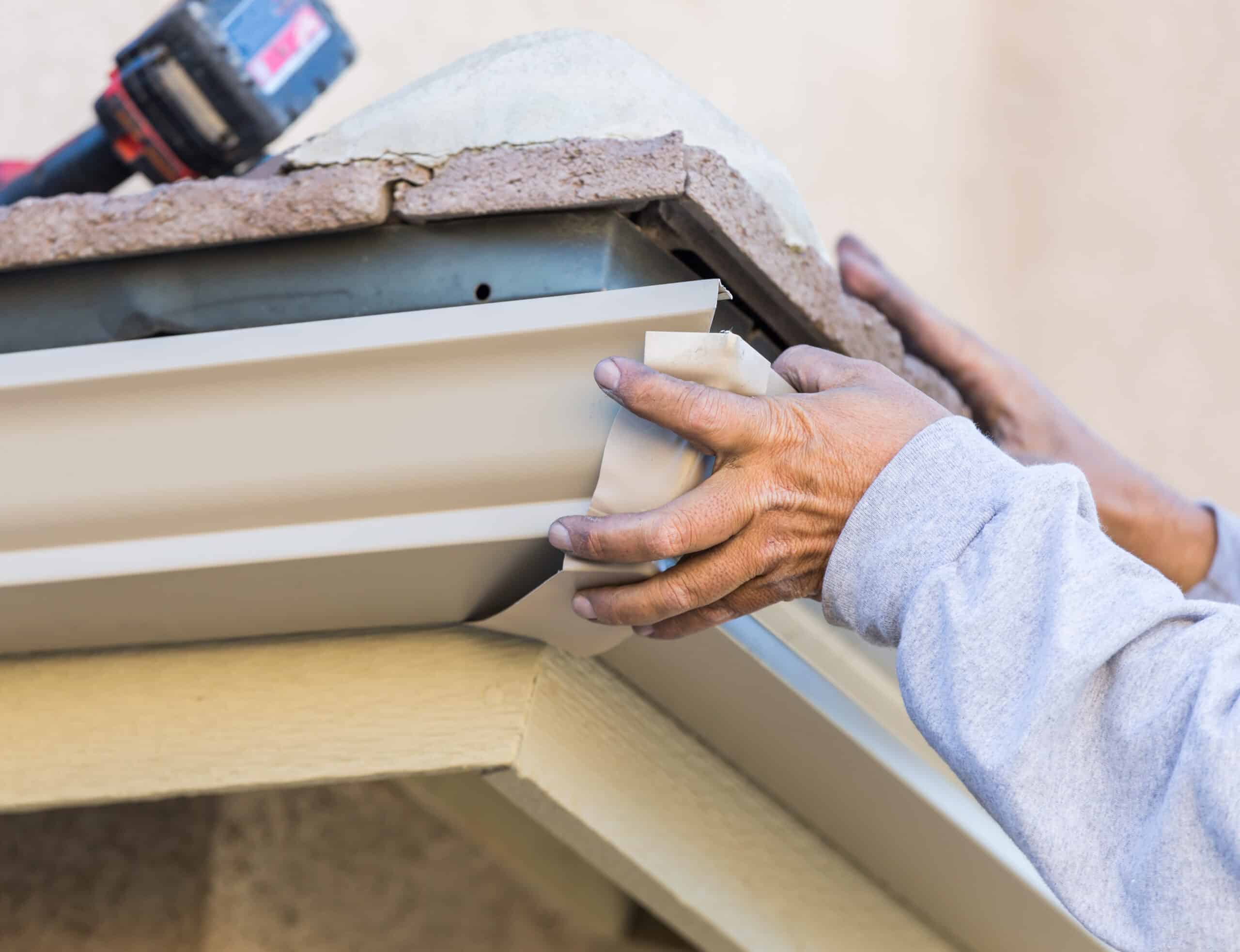
A short conversation view page before installation can save a lot of frustration later. You do not need to be a gutter expert to ask useful questions. You just need to get the contractor talking specifically about your house and your weather conditions.
Here are five questions that tend to separate thoughtful planning from generic quoting:
- How will this gutter layout handle the heaviest roof runoff areas on my home?
- Where will the downspouts discharge, and how will that affect wet spots around the property?
- What kind of debris do you expect this house to collect based on the trees here?
- Would gutter guards help on this property, and if so, which style fits best?
- What maintenance should I realistically expect after installation?
Good answers are usually concrete. They reference the roof, the trees, the drainage pattern, and the local climate. Vague answers usually signal a vague installation.
A few practical habits that protect your investment
Once the gutters are installed, a little attention goes a long way. This does not need to become a hobby, but it should become part of normal home care. After major storms, walk the perimeter and look for overflow marks, displaced mulch, or water collecting where it should not. During periods of heavy leaf or needle drop, check whether the gutter tops and downspout openings are staying clear. If guards are installed, make sure debris is not matting over the surface.
One thing many homeowners miss is that nearby landscaping can affect gutter performance. If clippings, leaves, or small branches are left where runoff carries them toward drains and downspouts, clogging can happen faster. Keeping plant debris out of runoff paths is not just tidiness. It helps the whole drainage system work better.
Another habit worth adopting is paying attention to change. If the house went through three rainy seasons with no issues and suddenly one corner overflows every storm, that shift means something. It could be a clog, a loose section, or a developing slope problem. Catching it early is a lot cheaper than waiting until fascia, soffit, or planting beds start showing damage.
What homeowners in Mount Dora should prioritize first
If I were advising a Mount Dora homeowner who knows the current gutters are not cutting it, I would start with a straightforward priority: get the water path under control before chasing cosmetic fixes. In practical terms, that means evaluating whether the existing system is properly sized, whether it drains cleanly, and whether tree debris is overwhelming it.
Seamless gutters are often the best next step because they reduce joints, improve fit, and handle Florida rain more reliably when installed well. If the property has recurring leaf and needle issues, gutter guards may be a smart companion upgrade, especially when selected for the actual debris on site. And if the system is fundamentally sound but neglected, cleaning and targeted repair may be enough to restore performance.
The right answer depends on the house, the roofline, and the lot. Still, the goal stays the same across Mount Dora and the surrounding region: move stormwater off the roof efficiently, direct it where it can drain safely, and avoid giving Florida humidity any extra help in creating problems. When gutters do that job quietly, you tend not to think about them much. That is exactly how it should be.